From Webflow to Workflow
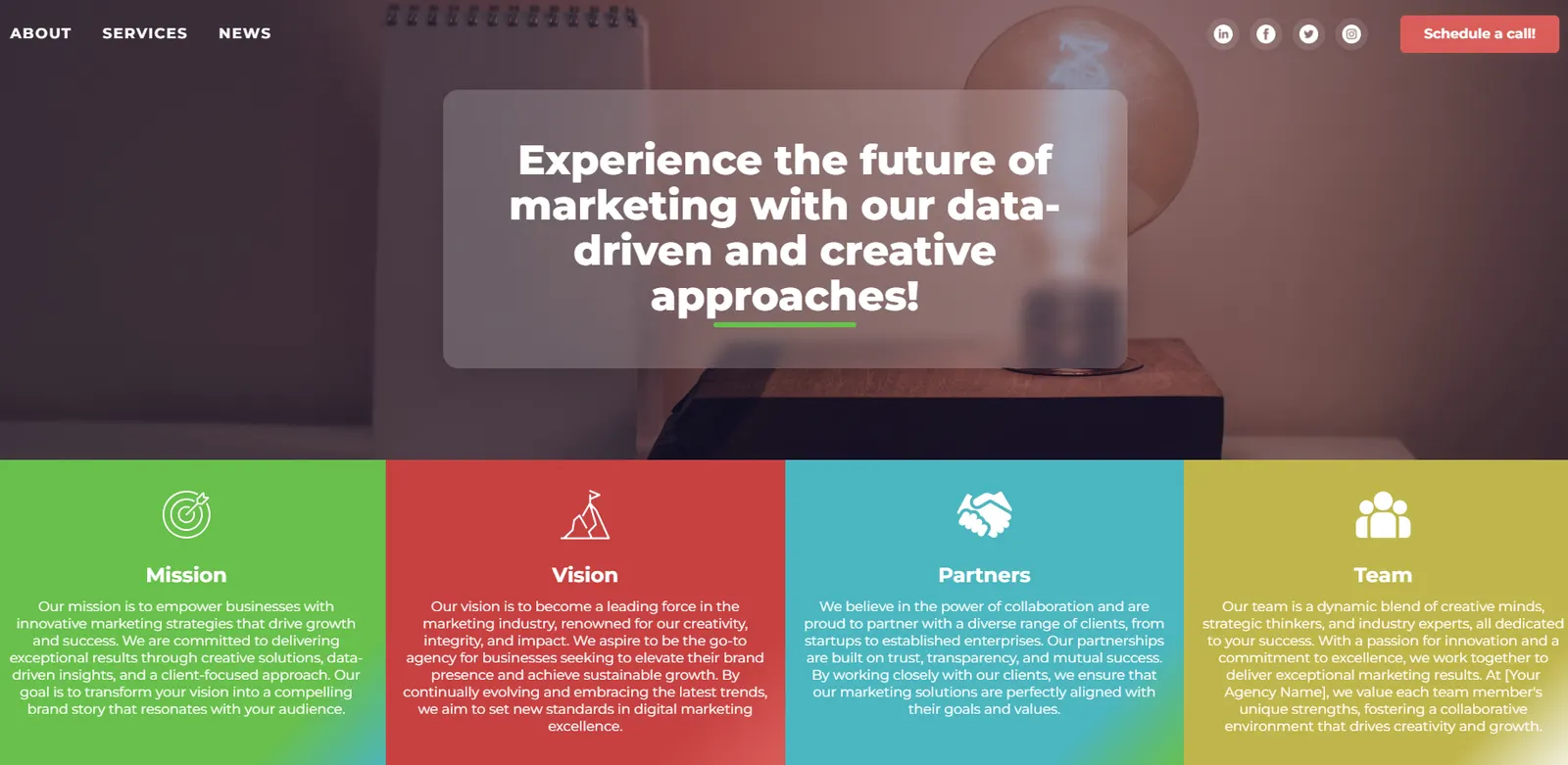
A visual concept built in Webflow, then refined into production-grade code. Using AI refactoring via Cursor IDE, the exported layout was transformed into a clean, scalable, and accessible codebase—bridging no-code speed with full-code quality.
Context
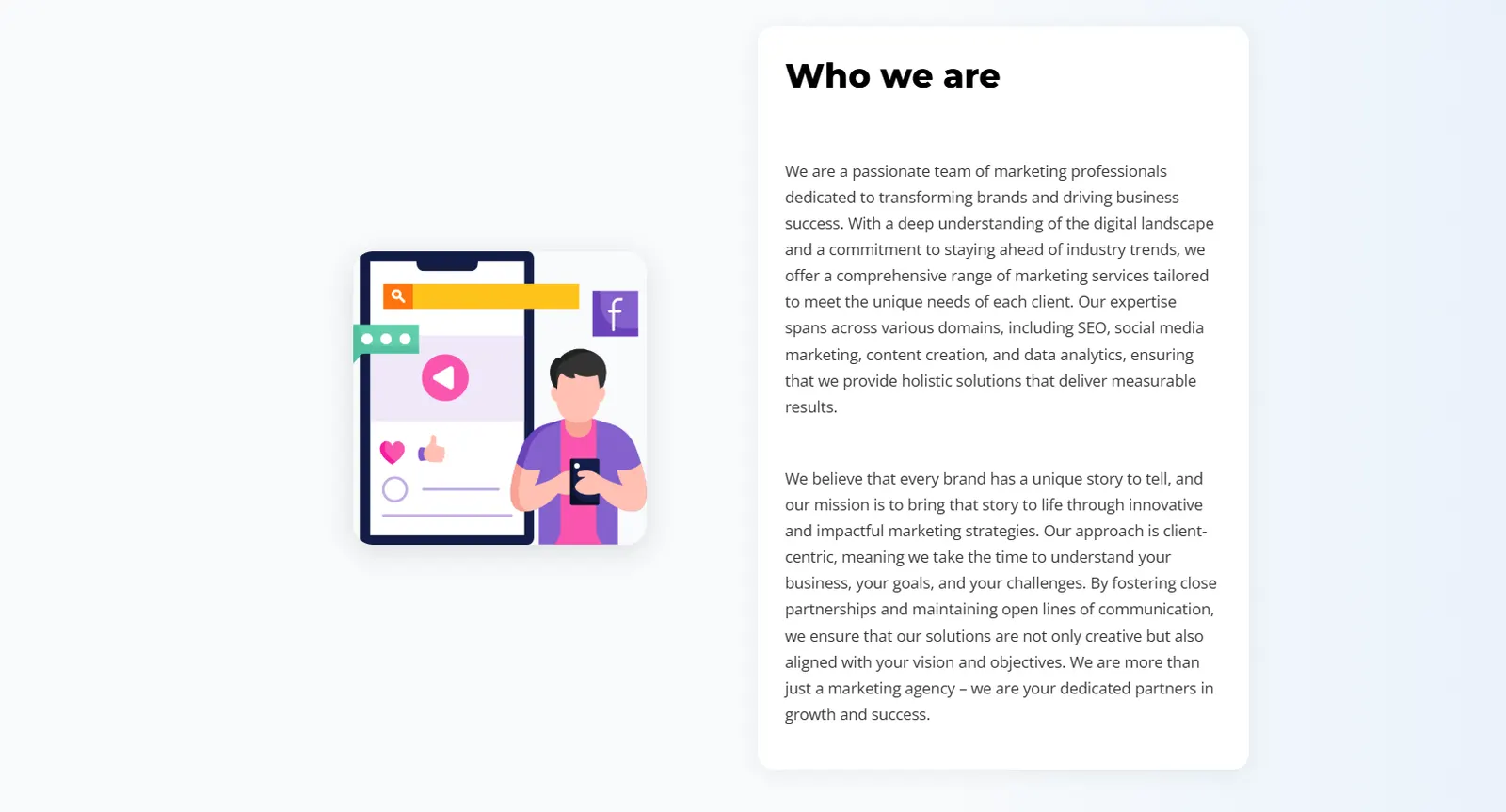
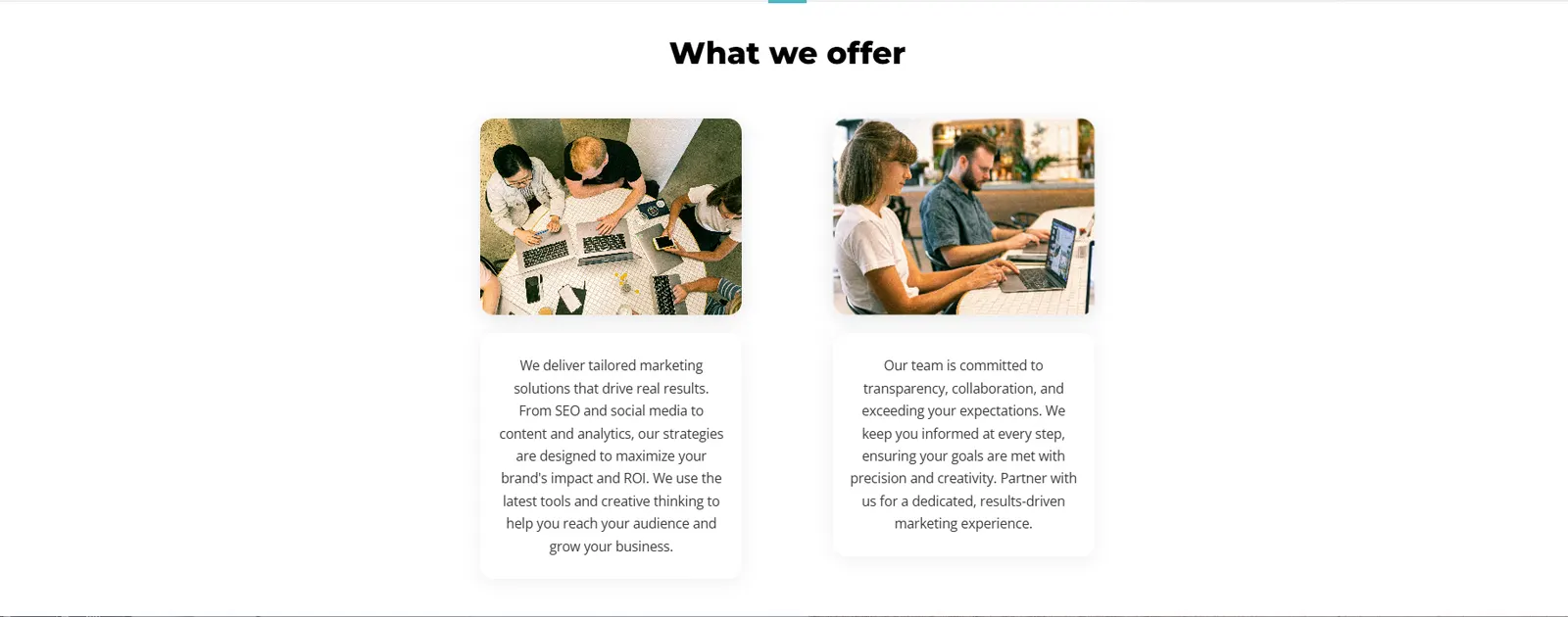
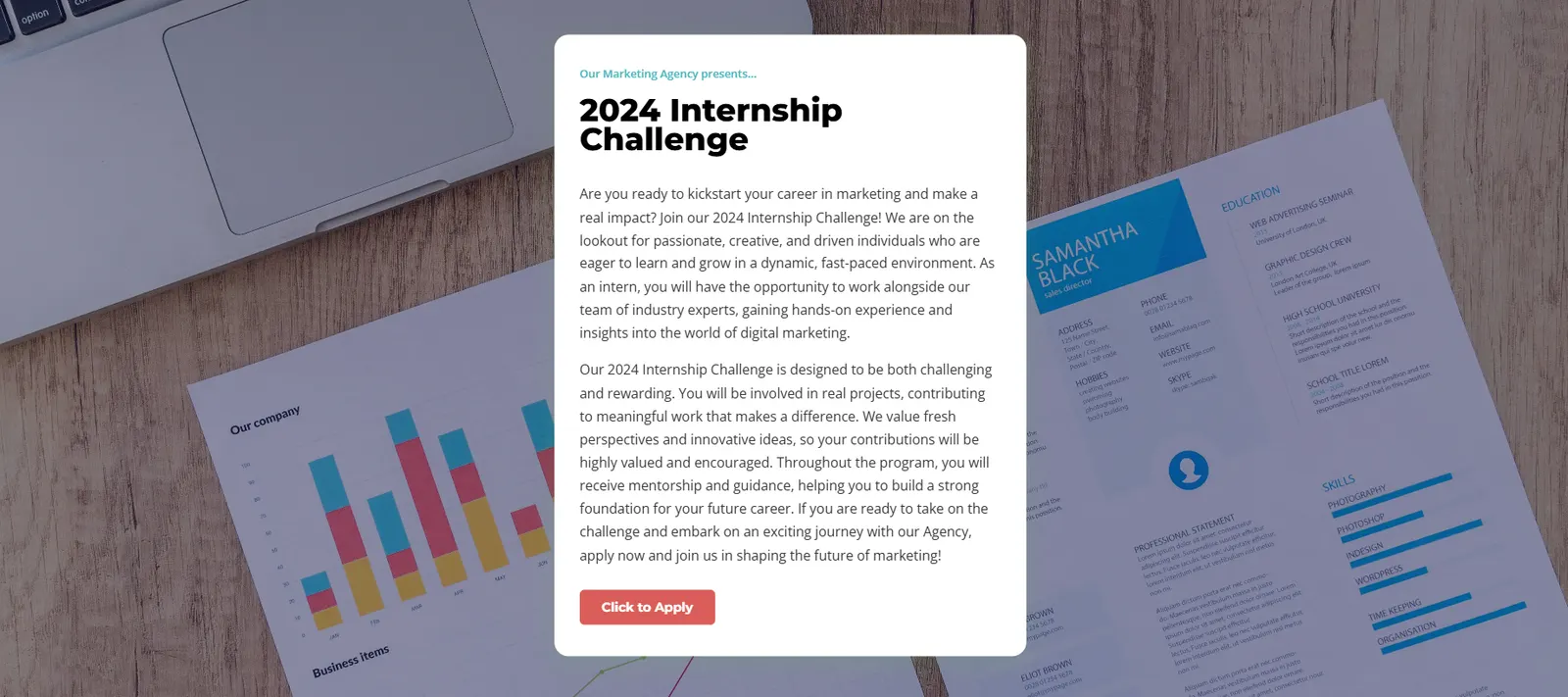
A visual concept built in Webflow, then refined into production-grade code. Using AI refactoring via Cursor IDE, the exported layout was transformed into a clean, scalable, and accessible codebase—bridging no-code speed with full-code quality.
Goals
- AI-powered code refactoring - Transforms Webflow's exported HTML/CSS into clean, semantic, production-ready code using GPT in Cursor IDE
- Semantic HTML5 structure - Replaces generic div-based layout with semantic tags (section, main, article, etc.) for accessibility and SEO.
- Cleaned and optimized CSS - Refactored style sheets for better readability, maintainability, and consistency in design tokens and spacing.
- Conversion-optimized copy - Rewritten hero sections, CTAs, and microcopy to improve clarity, tone, and user engagement
- Python-powered local preview - A lightweight local server to preview the static build and verify asset mapping before deployment.
- Version control via GitHub - All code changes tracked with commit history, branches, and collaboration-ready setup.
- Fast deployment via Netlify - Final build hosted on Netlify with instant deployment from GitHub, supporting CI workflows.
Constraints
- Webflow exports code with non-semantic <div> nesting and class clutter.
- Static assets (images, fonts) sometimes misalign during local previews
- Lack of direct HTML import support back into Webflow limits round-tripping
Approach
- Refactored HTML structure using GPT to apply semantic tags (section, main, article)
- Cleaned and grouped CSS for better maintainability and readability
- Rewritten headings and CTAs for more persuasive, UX-driven messaging.
- Used Python to serve the static files locally and ensure correct asset mapping
- Versioned all changes via GitHub for traceability, and deployed seamlessly with Netlify
Results
- Modern marketing site built fast with clean CMS-friendly structure.
Stack
Frontend
WebflowGoogle Fonts
Backend
—
Security
—
Ops
NetlifyGit
Project Gallery
Related projects
Streaming, End to End
MiniVod is a commercial video-on-demand product built for ViewMini — premium short-form series and films for English, Greek, and Arabic audiences. What began as an AI-assisted frontend scaffold grew into a production system: a React SPA hosted on Lovable, a Django REST API on Heroku, and a native iOS app with TestFlight beta distribution.
OTTSaaS
Native Streams, Shipped
MiniVod Mobile is the native client for ViewMini's licensed VOD catalog — films and series aimed at Greek, English, and Arabic audiences across 170+ App Store and Play regions. Built in React Native against the same Django REST backend as the web product, it delivers native subscriptions, multi-provider sign-in, and the compliance bar both stores demand.
OTTMobile
Inside the Half Half Man Portfolio
A comprehensive portfolio website built with React and Tailwind CSS, featuring smooth animations, internationalization, and a virtual assistant.
Portfolio